Claude Hammond's Blog

  C.E. Hammond
  • Blog
  • Wally Carr
  • About

Large and In Charge, Or sink like a barge (Stoic wisdom)

9/4/2022

0 Comments

 
Picture
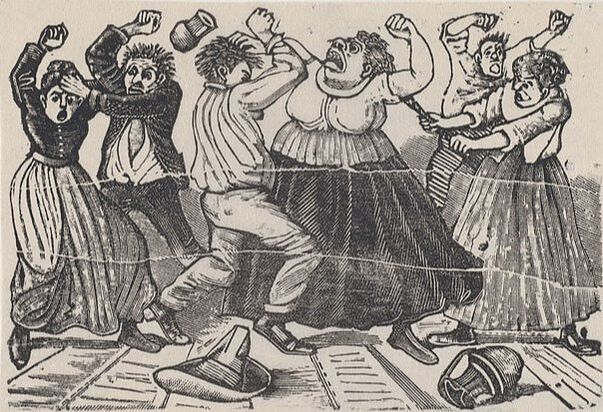
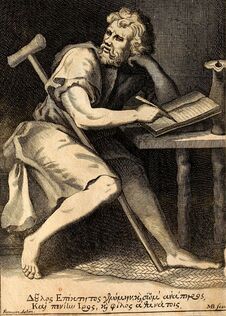
There are two kinds of people. Epictetus teaches us how to identify between them. (Wikimedia Commons image)
PictureStoic Philosopher Epictetus (50-135 AD).

​“Don’t worry about the things you can’t control.“

How many times have you heard that old saying? It’s common sense.

It’s also a great Stoic teaching.  It’s benefited people over the thousands of years since it was advocated by philosophers in ancient Greece.

Like all great wisdom teachings, this is as powerful a life lesson today as it was back then. Using this lesson, the Greek Stoic Epictetus makes an amazingly accurate analysis of human psychology.

Epictetus says there are two kinds of people. The first kind are those who are only concerned with things they can control. They don’t worry about what is beyond their control.

These people avoid an awful lot of stress.

The second type of people are those who let themselves be manipulated by things they can’t control.

“Some are free from hindrance and in the power of the will of those around them. Others are subject to hindrance, and depend on the will of others.”
— Epictetus (50 -135 A.D.)

What Epictetus says here is amazing. He reveals the character traits that result from the mindsets of these two kinds of people.

“If then he places his own good, his own best interest, only in that which is in his power and is free from the control of others, he will be free, tranquil, happy, unharmed, noble-hearted, and pious; giving thanks to God for all things, finding fault with nothing that happens,  blaming no outside influence for his problems.

“Where if he places his security in outward things, not depending on his own will, he will be subject to hindrance and restraint, the slave of those that have power over the things he desires and fears…”

— Epictetus

Epictetus’ analysis is deadly accurate.

These two types of people are easily identified. You see these mindsets in politics, media, and religion.

The “can-do” mindset of the Stoic is held by those who make changes where they can. These are the movers and shakers of this world. A great example is Rosa Parks, who acted on a small scale in 1955 Alabama.

Rosa refused to sit in the back of a bus, which was demanded of all African-Americans of that place and time. Her act triggered a cascade of events that helped reform civil rights in the United States. Yet, she acted on a small scale, within the scope of the things she could control.

Even if she didn't realize it at the time, Rosa was a great Stoic. She didn’t fret about things she couldn’t control, but acted with conscience and integrity with things she could control.

Rosa Parks changed the world as a result.

But those who believe they are subject to the will of others become self-made victims. These people are told what to do by the internet or media or unethical leaders.

These can manipulate this sizable audience by enhancing a self-perceived “victim“ status. This audience is easily controlled once its members are steered away from any sort of responsibility. That prevents them from changing their own lives and developing self-reliance.

The self-made victim becomes dependent on systems not created for their benefit. Extremists are frequently this kind of person.

The self-made victim takes the easiest and least responsible way in life. (That’s easy to do if there is financial support somewhere.)

This is how, in 21st Century America, we get the stereotypical young adult living in the basement of his parents’ home; entitled, unemployed and playing video games.

Self-made victims are naive. They hope to be led by and provided for by others. They always end up getting used.

“There’s a sucker born every minute.“
— Phineas T. Barnum

“Make yourself sheep, and the wolves will eat you.”
— Benjamin Franklin

“Evil always wins through the strength of its splendid dupes…“
— G. K. Chesterton.

Self-made victims -- the dupes -- lose their courage and ability to be self-reliant. This destroys their character.

Epictetus says those convinced of their own helplessness become embittered against God and those around them for not coming to their rescue.

“…he will be impious, because he thinks he has been injured at the hands of God; he will be unjust, always prone to claim more than his due; he will have a mean and depressed spirit.”
— Epictetus

Those who believe they are victims are less likely to seek an answer, or to create one for themselves.

Those who create change in the things they can control pioneer new territory in their own lives. They live life on their own terms.

Leaving things better off than you found them leads to a life of accomplishment, self-worth, and satisfaction.

And that’s a great lesson from a Stoic.

0 Comments


Leave a Reply.

    Picture

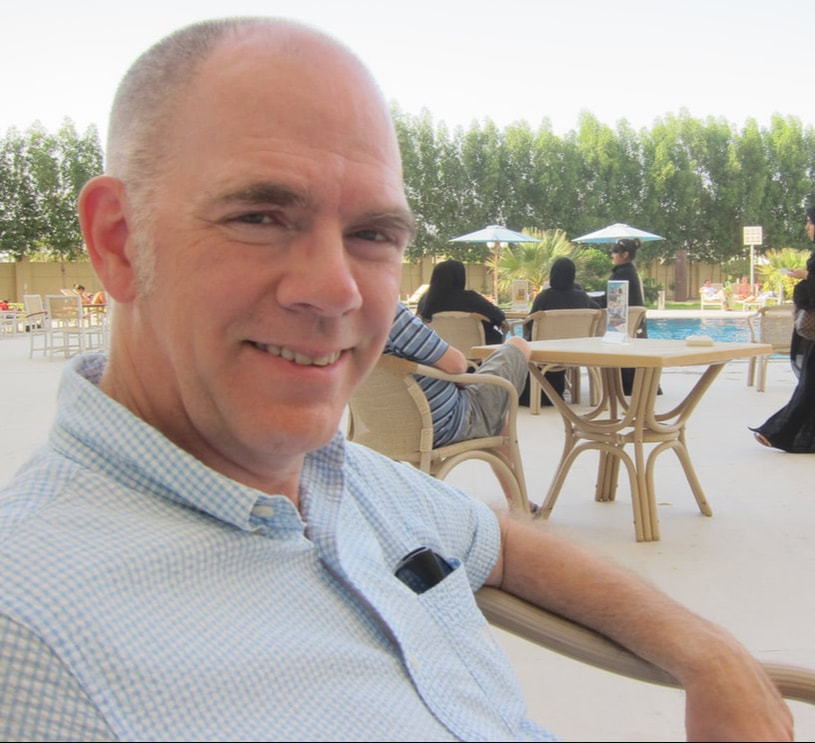
    About claude E. hammond

    Claude Ellis Hammond, J.D., is a continuing education professional.  He speaks frequently on historic and esoteric subjects. He's also an expert on coffee and drinks a lot of it.

    ​Originally from Kentucky, Claude's lived in places as diverse as Abu Dhabi, UAE, and Cumberland Island, Georgia. He lives in a small town in Texas.

    Archives

    August 2022
    June 2022

    Categories

    All
    History Lessons
    Philosophy
    Wally

    RSS Feed

C. Ellis Hammond, JD

  • Blog
  • Wally Carr
  • About